Most couples have never actually watched a photographer work for a full day. You see the final photos, obviously, but you don’t see the mad scramble, the positioning, the light-chasing, the timing calls, and the constant problem-solving that happens while you’re just trying to get married.
Here’s what your day actually looks like from my perspective, and what you can expect from me.
Before You Even Wake Up
I arrive at your getting-ready location 90 minutes before the ceremony.
This isn’t just for the photos. I’m scouting. Where’s the best light coming from? Where can I position myself to catch reactions without being intrusive? Is there a mirror I can use for detail shots? Where will the groom’s crew be getting ready? What’s the weather actually doing (is that cloud cover staying or burning off)?
I’ll have a coffee, settle the nerves a bit, and wait for the first person to wake up. I’m not in your face immediately—I’m present but quiet. You might forget I’m there within 20 minutes, which is exactly what I want.
During getting-ready, I’m looking for moments. Your mum doing up your buttons. Your best mate making you laugh. The moment you see yourself in the mirror. I’m not directing these—they’re happening, and I’m just catching them.
I’m also taking detail shots: rings, flowers, invitation, shoes, whatever you’ve planned. These are quick and specific. If you’ve had custom detail items made, tell me beforehand so I don’t miss them.
Total time in this phase: 1.5–2 hours for full getting-ready coverage.
The Walk-Through Before the Ceremony
About 45 minutes before the ceremony, I’ll do a walk-through with you and whoever’s getting ready.
I’m checking that everyone’s ready, confirming timing, and mentally planning the next 20 minutes. Are we on schedule? Has anything shifted? What’s the light doing right now? Where will I position myself during the ceremony?
This is where you ask any questions. “Can you make sure you get my nan?” Yes, I will. “My uncle is travelling and wants a specific photo?” I’ll aim for it. This is my chance to know what matters and what doesn’t.
Then I head to the ceremony space about 25 minutes before start time.
The Ceremony
I arrive early and choose my positioning. If it’s a church, I’m usually at the side or back. Outdoors, I scout the sun angle and position accordingly. I’m looking for angles where I can capture both of you and the officiant without it looking distorted.
Once guests start arriving, I shift into observer mode. I’m photographing people arriving, the processional (if there is one), the moment you see each other for the first time, the vows, the kiss, the recession.
The ceremony is the one moment of the day I can’t redo. So I’m alert, bracketing shots (taking multiple exposures), and anticipating moments rather than reacting to them.
I’m also very aware of who I might block and where I can position myself without being in anyone’s sight line. It’s a balance between getting the shot and not being visibly in your ceremony.
This is 30–45 minutes of intense, focused work.
Post-Ceremony Chaos
Once you’re married, there’s usually a flood of people wanting to hug you. I step back slightly and photograph this—it’s genuine and emotional and looks terrible if you’re thinking about the camera.
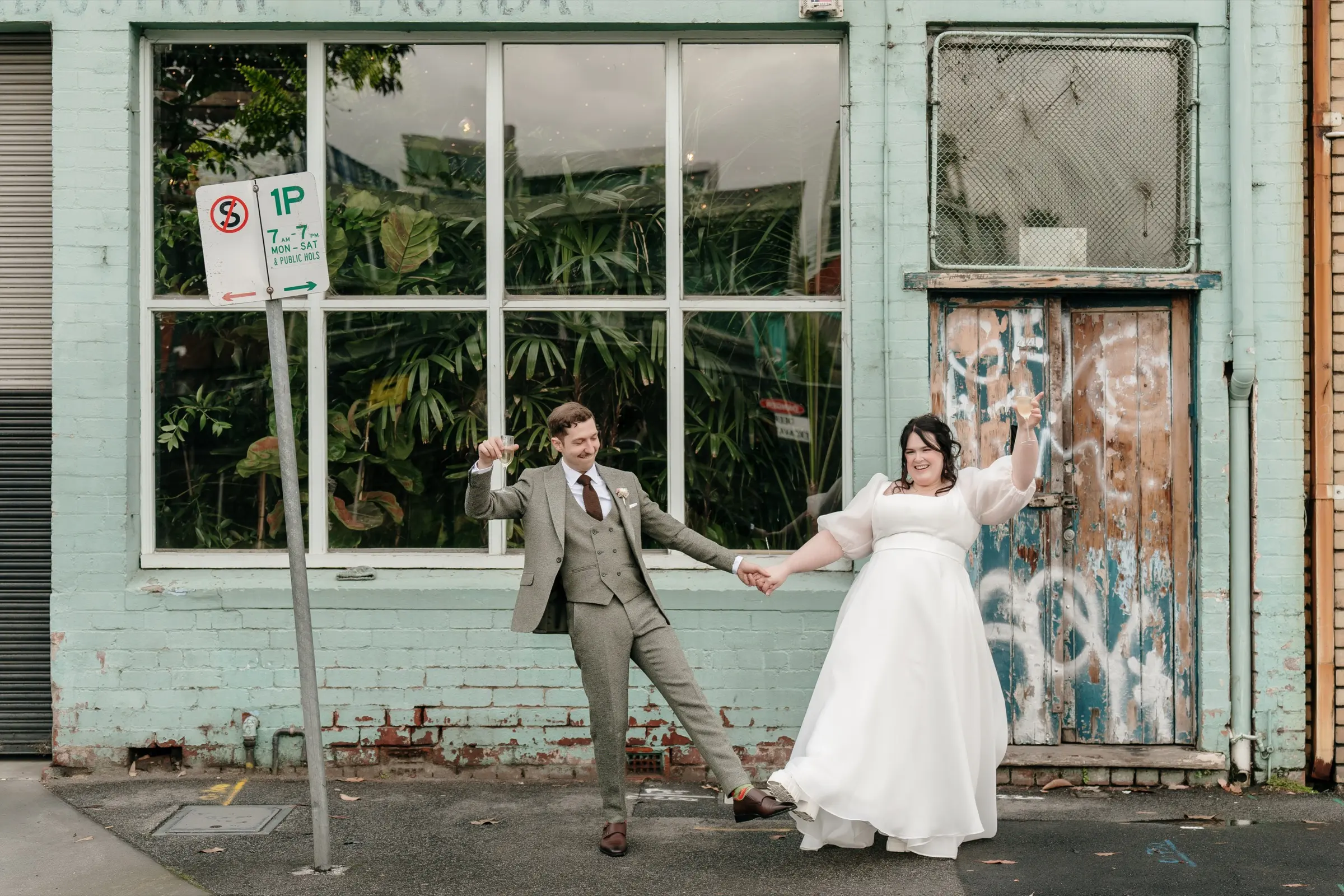
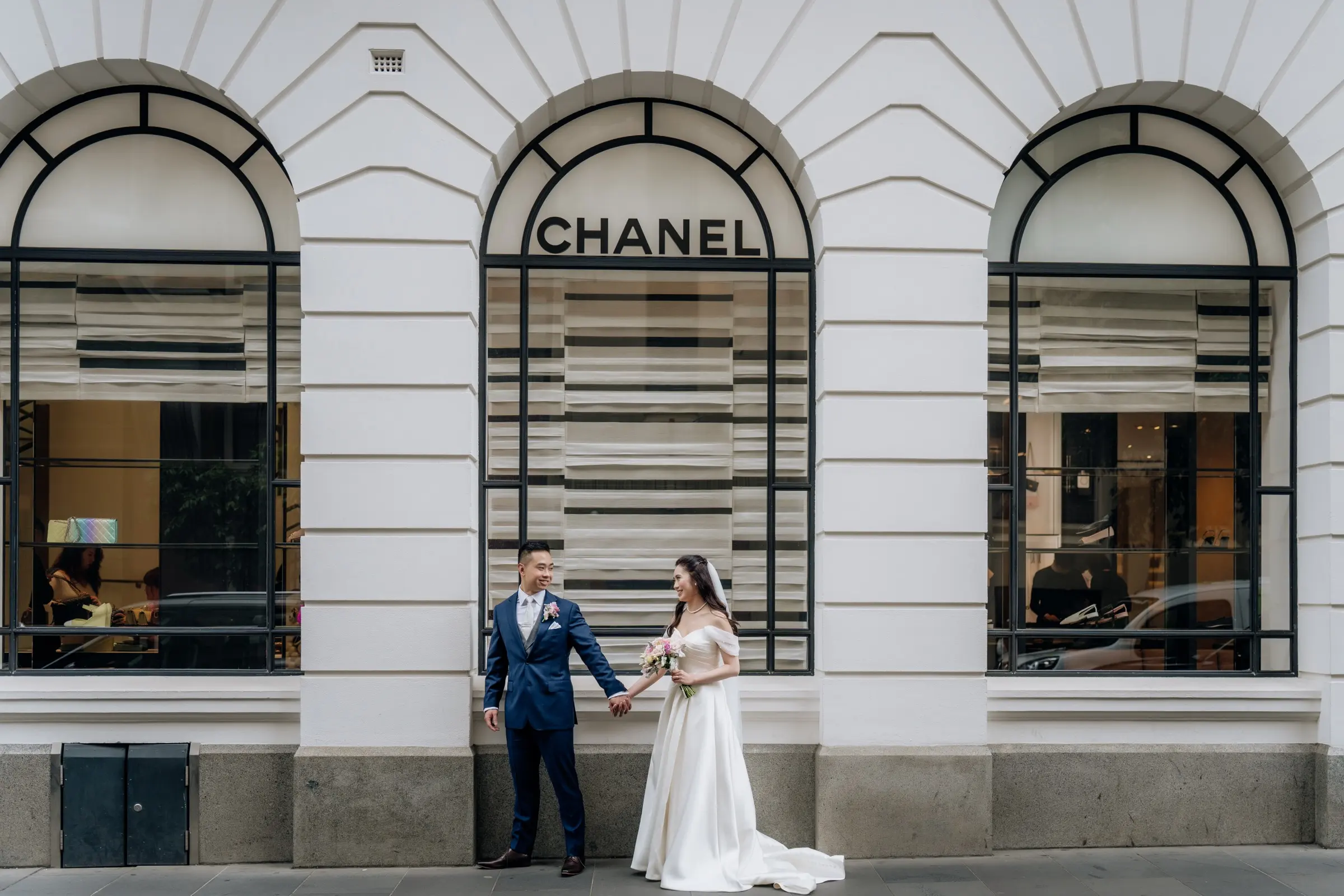
Then, if you want couple portraits, we move somewhere quieter. This is where I actually direct you both. “Can you walk toward me?” “Look at each other, not the camera.” “Let’s try this angle.”
I’m looking for light, composition, and connection. Most of this is quick—3–5 minutes per setup. I might try 5–6 different directions or poses, but the whole thing takes 15–20 minutes.
If your ceremony is immediately followed by a cocktail hour, couple portraits might happen after that instead. I’ll coordinate timing with you beforehand.
Cocktail Hour and Details
While guests are mingling, I’m photographing details: the table setup, flowers, place cards, bar, dessert table. I’m also capturing candid moments of guests talking and moving around.
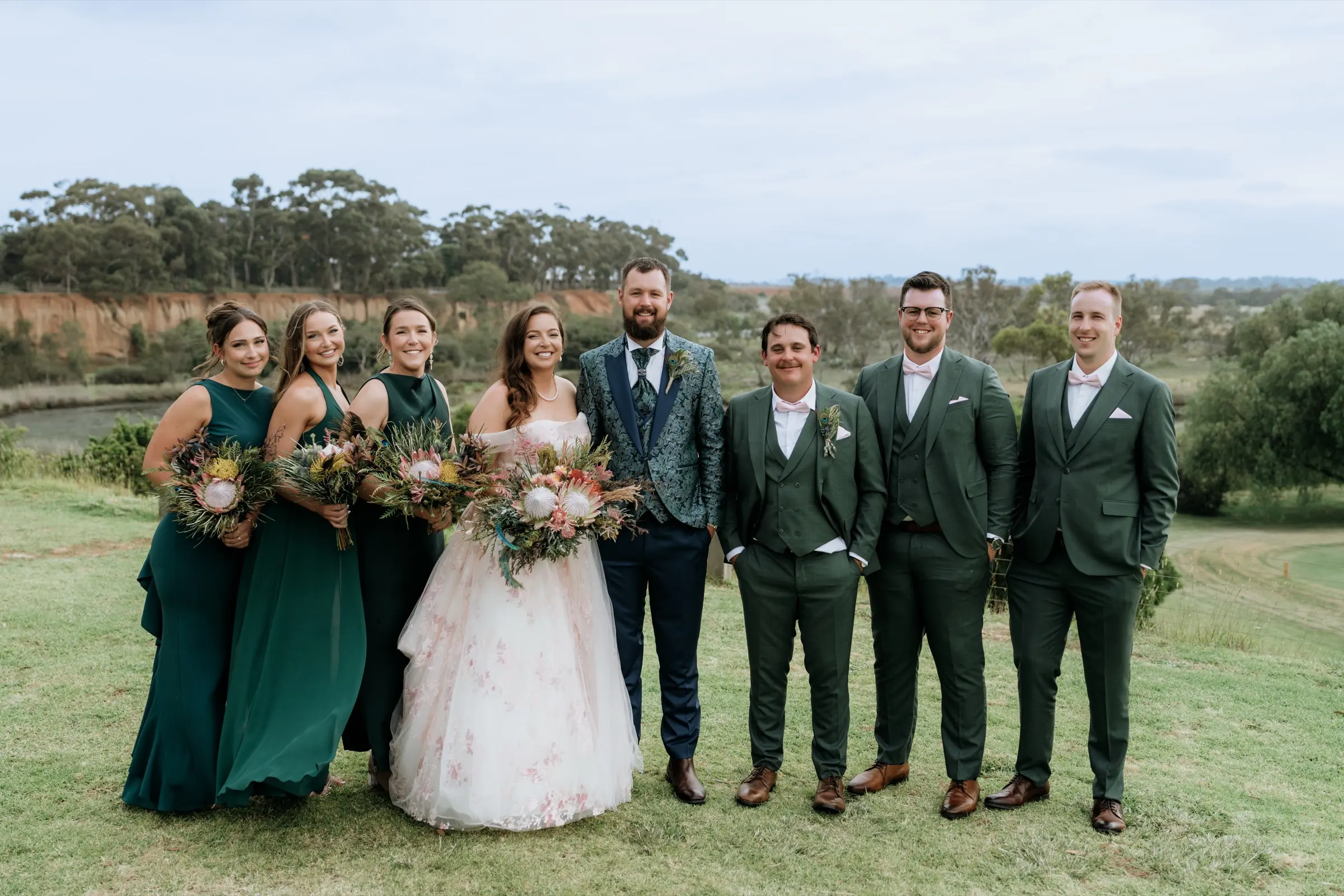
If there’s a cocktail hour rather than immediate reception, I might catch some formals here—you with parents, family groups, etc. These are quick (2–3 minutes per grouping). I’ll call people over, get the shot, and you’re done. Not a big production.
I’m also photographing the venue: the ceremony space tidied up, the reception room before people sit, the overall aesthetic of what you’ve created.
This is where I’m most invisible. You’re off having a drink, I’m working the room catching genuine moments.
Reception and Formalities
When dinner starts, I’ll do a sweep of the room capturing people eating, talking, the head table. Once speeches start, I’m positioned to catch reactions and the speaker.
Then comes the first dance. I’m usually in two or three positions for this to get different angles and light. Same with cake cutting and any other formal moments.
Between these moments, I’m photographing your guests—dancing, laughing, genuine moments at tables. This is where documentary photography shines. I’m looking for the glance between your mates, the parent getting emotional during a toast, your sister laughing hard.
I’m not asking people to pose. I’m just present and watching.
Toward the End of the Night
By 8pm or so, depending on how long coverage runs, I’m shifting. The light’s gone (if it’s summer and still bright, I’m still working the same way). The party’s in full swing. I’m looking for energy—dancing, celebrations, farewells.
If you’re doing a send-off, I’ll position myself to catch your exit and guests cheering. If it’s a quieter fade-out, I’m capturing the last dances and the wind-down.
What I’m Managing All Day
Light. Every 10 minutes, the light’s shifting slightly. I’m mentally adjusting: moving positions, changing angles, switching lenses, bracketing differently. Indoor and overcast outdoor light is more forgiving. Bright sun with harsh shadows means constant positioning adjustments.
Your comfort. If you look overwhelmed, I’ll back off. If you’re having a genuine moment with someone, I’m capturing it, not interrupting. I’m reading the room and adjusting what I’m doing based on your energy.
Timing. I know when important moments are happening—I’ve coordinated this beforehand with your coordinator or whoever’s running the day. But real moments often happen unexpectedly. That’s where experience comes in. I can spot a moment forming and be ready when it peaks.
Focus management. With 50+ people in a room, I’m constantly prioritising. Are we getting the family? Your best mates? The key vendors? The overall energy of the day? I can’t get everything, so I’m making choices about what matters most.
Backup plans. If light’s terrible, I have other ideas. If a moment gets blocked by a pillar, I’ll find another angle. If someone’s phone keeps appearing in frame, I’ll work around it. I’m problem-solving constantly.
Real Examples
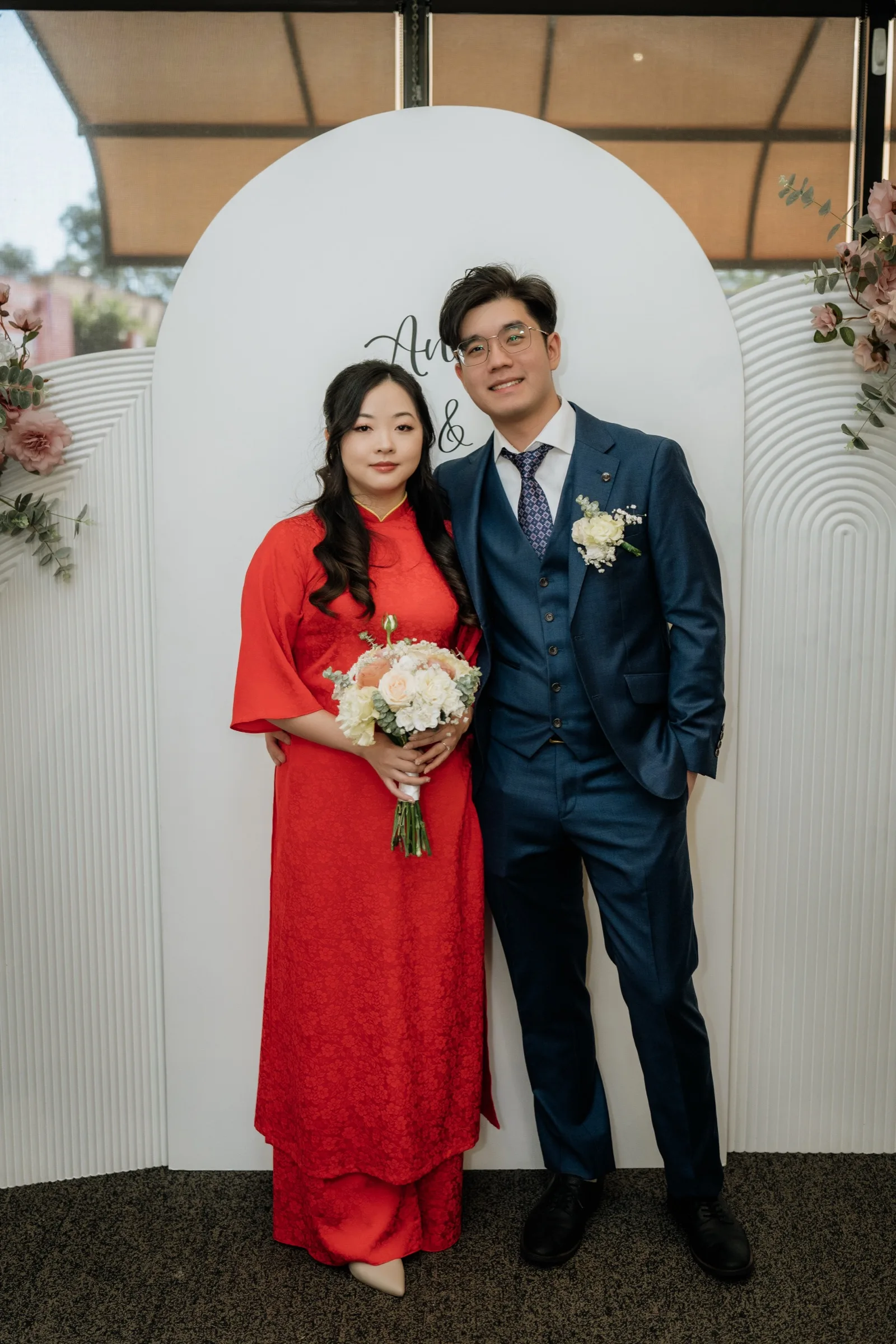
Anna & Bryan, Glasshaus: I arrived at their getting-ready at 1pm. Anna’s nanna was visiting, and there was this perfect moment where her nanna fixed a stray bit of Anna’s hair and looked at her like she might cry—that’s the shot I got that they loved most, even though they didn’t realise I’d captured it.
The ceremony was 3pm in bright sun at an outdoor spot. I positioned myself at an angle where I could catch both their faces and the backdrop without squinting into light. When Bryan saw Anna, I got three frames in quick succession—the moment he clocked her, the moment he smiled, the moment she smiled back.
Reception was inside a dark venue, which meant I had to shoot wide apertures and position near windows. Speeches were tough because they happened in a dimly lit corner. I stood in an awkward spot behind a pillar to get angles without blocking guests.
By 9pm, dancing was in full swing. I caught moments between slow songs, the genuine exhaustion-turned-euphoria faces, friends genuinely celebrating together. By 10pm, they were exhausted. I’d gotten everything and they were ready to be done.
Total images delivered: 480. Time managing light, positioning, timing, comfort: the entire day.
Things That Actually Help
Tell me about key people. “My nan is hard of hearing—she always looks confused in photos.” “My partner gets weird around cameras sometimes—give them space at first.” “Our mates are goofy—they’ll probably try to do something ridiculous during dancing.” I can plan for this.
Stick to timing. If the ceremony’s at 3pm, start your processional at 3pm. Delays cascade and mess with light. Communication with your coordinator about timing matters.
Trust the process. I don’t need you thinking about the camera all day. The better you’re not thinking about me, the better your photos are. I’m here to capture what’s happening, not create moments.
Let me move around. During important moments, I need to be able to shift positions. You don’t need to arrange your day around my positioning, but letting me move freely helps me work better.
What You’re Actually Paying For
When you book a photographer, you’re not just paying for 8 hours of presence. You’re paying for:
- Years of experience knowing when a moment’s about to peak
- Technical ability to nail focus, light, and composition under stress
- Problem-solving on the fly (light’s terrible, find a work-around; moment’s blocked, find a new angle)
- Composure to stay calm and professional when things go sideways
- Editing skill to make good moments look great
- The ability to disappear and be present at the same time
I’m managing 50 variables simultaneously for 8–10 hours. That’s what you’re paying for.
The Honest Truth
I will not get every moment. Some people will have phones in the way. Some light will be harsh. Some timing will be off. That’s not a failure—it’s reality.
What I will do is show up, stay alert, position myself intelligently, and capture the genuine moments of your day. I’ll know when you’re actually smiling vs. smiling at the camera. I’ll be there when your parents realise their kid is married. I’ll catch the moment your mates really let loose.
The best photos come when I’m calm, you’re relaxed, and we’re all just present for the day. That’s what I’m here to create.
Related reading
- Wedding day photography timeline (with examples)
- Documentary vs traditional wedding photography
- Questions to ask your wedding photographer
- Frequently asked questions
- About my approach
Let’s talk about your day and how I can show up for it. I’ll make sure we’re aligned on timing, key moments, and what you want captured.