One of the most common questions I get is: what actually happens during those hours? People book 6 hours or 8 hours but aren’t sure what they’ll get coverage of. Let me walk you through real timelines from actual weddings I’ve shot, so you can see how it breaks down.
The 6-Hour Timeline
This is the most popular option in Melbourne. Most couples have ceremony around 3pm or 4pm, and 6 hours gets you through to early evening—usually cutting the cake and a few first dances.
How it typically plays out:
Hour 1 (3:00 - 4:00pm): Ceremony and couple portraits
- Photography starts when guests arrive. I’m capturing people finding their seats, the groom waiting at the altar, final moments before the bride arrives.
- Ceremony happens (usually 20-30 minutes).
- Immediately after: couple portraits. If you have a nearby spot (gardens, building, street), 15-20 minutes of these. If not, we do them during cocktail hour or skip formal portraits.
Hours 2-3 (4:00 - 6:00pm): Reception arrival and details
- Guests coming in, finding seats, the couple’s entrance.
- Reception details (tables, flowers, stationery, cake, bar).
- Speeches and toasts (usually 30-45 minutes of actual coverage, not watching someone’s 10-minute ramble).
- First dance, possibly parent dances.
Hour 4-6 (6:00 - 9:00pm): Dancing and departure
- General dancing, candid moments, group shots if you want them.
- Cake cutting.
- Maybe a second dance or special moment.
- Couple leaving or final group photo.
By 9pm, you’re done. People are properly dancing, the formal moments are captured, you’ve got the visual story of your day.
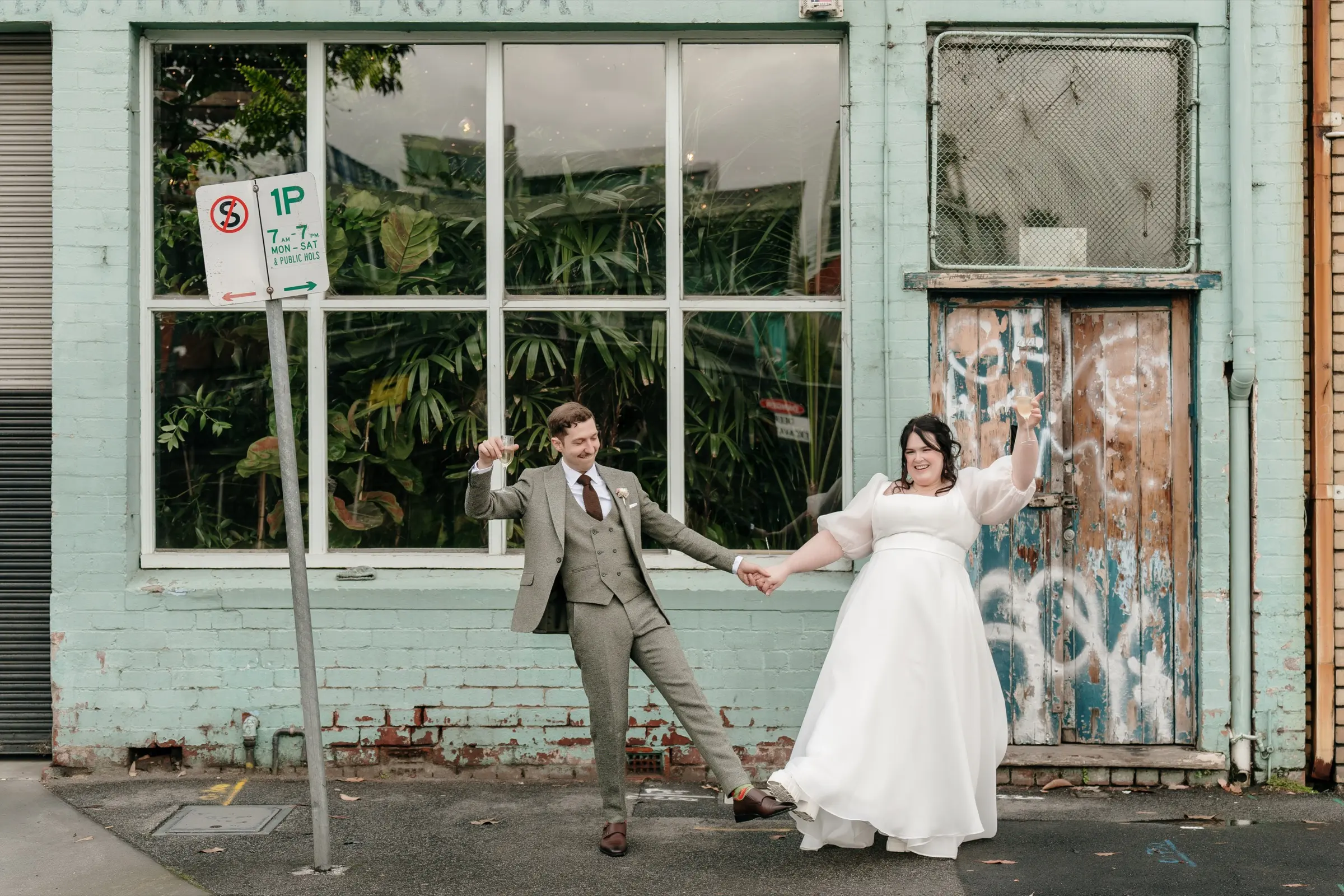
Real example—Stacie & Callum, Glasshaus, Richmond (6 hours):
- 3:00pm: Getting ceremony space ready, guests arriving
- 3:30pm: Ceremony
- 4:00pm: Couple portraits in the courtyard (they had that luxury)
- 4:30pm: Cocktail and reception setup
- 5:30pm: Speeches
- 6:00pm: First dance and parent dances
- 6:30pm: Cake cutting, open dancing
- 9:00pm: Final moments and departure
They got 400+ images, covered all the moments that mattered, and wrapped up while the party was still going. Perfect 6-hour wedding.
The 8-Hour Timeline
This is the sweet spot for most couples. You get ceremony, some prep time, a full reception, and proper evening coverage. If your getting-ready location is nice, or your reception runs late, 8 hours is worth it.
How it typically plays out:
Hour 1 (2:00 - 3:00pm): Getting ready
- Bride getting ready (usually 30-45 minutes of coverage here).
- Groom and groomsmen (15-20 minutes).
- Final details—shoes, rings, bouquet.
- I’m capturing candid moments: your mum helping with the dress, the moment you see yourself, reactions, quiet breaths before the madness starts.
Hour 2 (3:00 - 4:00pm): Ceremony
- First look if you’re doing that (10 minutes).
- Guests arriving (10-15 minutes).
- Ceremony (20-30 minutes).
- Immediate couple portraits outside the ceremony space (10-15 minutes).
Hours 3-4 (4:00 - 6:00pm): Cocktail and reception start
- Guests moving into reception area.
- Couple’s entrance.
- Reception details (I’m getting shots of tables, flowers, every visible detail).
- Start of speeches.
- First dance.
Hours 5-6 (6:00 - 8:00pm): Main reception
- Rest of speeches and toasts.
- Parent dances.
- Cake cutting.
- Open dancing, group moments, candid couple moments.
Hours 7-8 (8:00 - 10:00pm): Evening wind-down
- The best dancing usually happens here—inhibitions are lower, the moment feels more real.
- Sparklers or send-off moment if you’re doing that.
- Final group photos.
- Couple’s last dance or quiet moment.
- You departing or guests winding down.
By 10pm, the party’s still going, but you’ve captured the arc of the whole day.
Real example—Jordy & Nic, The Rocks Yarra Valley (8 hours):
- 2:00pm: Getting ready (barn setting, looked amazing)
- 3:30pm: Ceremony
- 4:00pm: Couple portraits
- 4:45pm: Cocktail hour and reception setup
- 5:30pm: Speeches and first dance
- 6:30pm: Reception flow—people eating, dancing, mingling
- 8:00pm: Cake cutting and open dancing
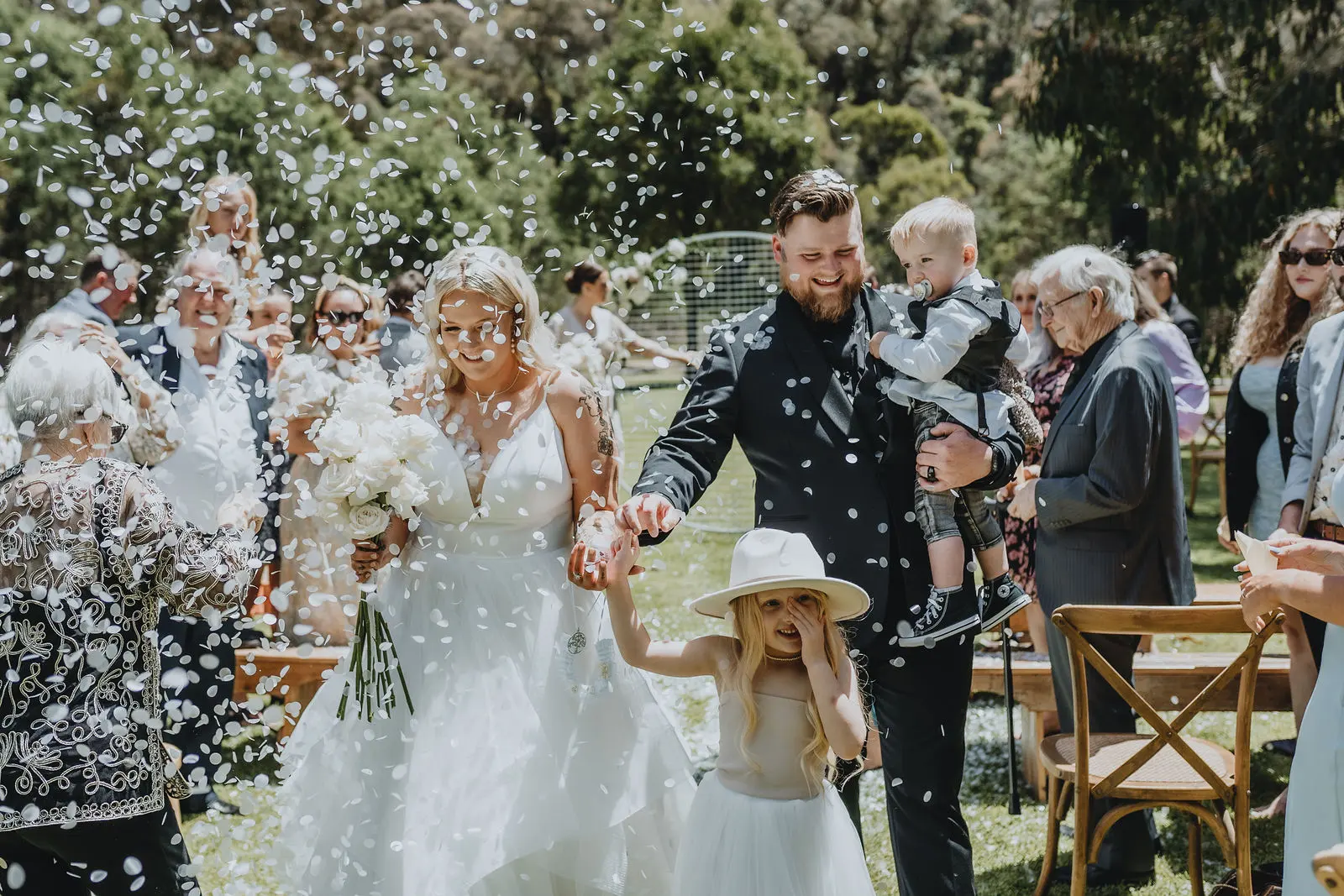
- 10:00pm: Evening sparkler send-off
They got 550+ images, had proper prep coverage, and the photographer was there for the part of the night when the celebration felt most genuine. Worth the extra cost for what they wanted.
The 10-Hour Timeline
Less common, but brilliant if you’re doing a full day: getting ready somewhere photogenic, a daytime ceremony, a relaxed reception timeline, or an evening after-party vibe.
How it typically plays out:
Hour 1 (12:00 - 1:00pm): Early prep
- Bride’s getting ready begins.
- Hair and makeup happening (can be visually interesting if the space is nice).
- Groom’s crew getting ready, casual moments.
Hour 2 (1:00 - 2:00pm): Continued prep and details
- Final prep moments.
- Groom seeing bride’s dress for the first time, reactions.
- Family getting dressed.
- All the small moments people forget about.
Hour 3 (2:00 - 3:00pm): First look and portraits
- First look if you’re doing it (emotional, captured properly).
- Couple portraits (you’ve got 30-45 minutes now, so more creative shots, better light, less rushing).
- Family portraits if you want them.
Hour 4 (3:00 - 4:00pm): Ceremony
- Guests arriving and settling.
- Ceremony (20-30 minutes).
- Exit and immediate reactions.
Hours 5-6 (4:00 - 6:00pm): Cocktail and reception start
- Couple’s entrance (often more relaxed with 10-hour coverage).
- Reception details, guest candids.
- Early speeches.
- First dance.
Hours 7-8 (6:00 - 8:00pm): Main reception
- Full dinner and speeches if still happening.
- Parent dances.
- Cake cutting.
- General dancing and mingling.
Hours 9-10 (8:00 - 10:00pm): Evening and send-off
- Peak dancing time.
- After-dark moments (which can look stunning).
- Final couple moments.
- Sparklers, send-off, or final goodbyes.
Real example—Dan & Wen with Il, multiple locations (10 hours):
- 1:00pm: Getting ready at home (beautiful light through windows)
- 2:00pm: First look in a laneway nearby
- 3:00pm: Ceremony at venue
- 3:45pm: Reception arrival
- 5:00pm: Speeches and first dance
- 6:30pm: Dinner and general reception
- 8:00pm: Open dancing, night photography
- 11:00pm: Final moments, couple departure
10 hours meant we could pace everything, use better light, capture getting-ready properly, and still be there for the evening’s best moments. More relaxed, more comprehensive.
The Short Day: 4-5 Hours
Sometimes couples just want ceremony and a bit of reception. It works, but it’s tight. Usually ceremony starts around 4pm, and you’re done by 9pm.
What you miss: getting ready moments, couple portraits (unless they happen during cocktail), the earlier part of dancing when things are still formal.
What you get: ceremony, reception start, a few dances, cake.
It can work if you’re pragmatic about it, but most people who do 4-5 hours wish they’d gone to 6 after seeing their images.
How to Decide
Go with 6 hours if: You want straightforward ceremony coverage and the party itself. Your getting-ready location isn’t photogenic, and you’re okay doing couple portraits between ceremony and reception. You’re having a simpler day without too much complexity.
Go with 8 hours if: You want proper getting-ready coverage, more breathing room, and evening dancing. Your day has some pre-ceremony moments worth capturing. You like the idea of not feeling rushed.
Go with 10 hours if: You’re getting ready somewhere beautiful (a house with great light, a hotel suite, outdoors). You want comprehensive coverage from the very start. You’re planning an evening send-off or after-party moment. You want maximum flexibility and relaxed pacing.
The honest truth: Most couples who go 8 hours say “best decision we made.” Most who do 6 don’t regret it. Most who do 10 feel they got the complete story. Very few people say “I wish I’d booked fewer hours.”
The extra hours add up in cost, but they’re rarely a waste. You’re just getting more of the day—more moments, more options in editing, more flexibility if something runs late.
What’s Not Happening in These Timelines
A few things that sometimes confuse people:
“Am I getting 6 hours of photos?” Not exactly. You’re getting 6 hours of coverage, but I’m not shooting continuously for those 6 hours. There are quiet moments—during speeches, during dinner—where nothing’s happening. The actual active shooting time is more like 4-5 hours within that 6-hour window.
“What about getting ready at a different location?” If your getting-ready spot is 30 minutes from the ceremony venue, that travel time eats into your coverage. We can still do it, but you lose 30 minutes of coverage time on travel. This is why knowing your timeline matters.
“Can the photographer leave and come back?” Not really standard practice. Once they’re done, they’re done. If you need a break, that has to be negotiated upfront. Most couples don’t want that—better to have continuity.
“What if something runs late?” Talk to your photographer before the day. If you know your ceremony might run over, mention it. Most photographers will stay late to capture important moments, especially if you’ve booked 6-8 hours. But don’t surprise them at 8:50pm with “stay another hour” without discussion.
Pacing Your Day
The timeline isn’t just about coverage—it’s about pacing your actual day. If you’ve got a photographer there from 1pm to 11pm, your day is structured around having images at every moment. That’s brilliant for capturing everything, but it also means you’re “on” for 10 hours.
With 6 hours, you get the key moments but can actually relax a bit outside those hours. Some couples prefer that. Others love having a photographer present for the whole arc.
Know yourself. If you get exhausted being “on,” maybe 6-8 hours is better. If you love the idea of every moment being captured, go longer.
Related reading
- How many hours of wedding photography do you need?
- Wedding photography cost in Melbourne (2026 guide)
- What to expect from your wedding day photographer
- Recent wedding stories
- Photography collections and inclusions
The best timeline is the one that matches both your day’s actual flow and your comfort level. Reach out and we can talk through your specific day—where you’re getting ready, when everything’s happening, what moments matter most to you. From there, the right coverage duration becomes obvious.
That’s how you end up with the full story of your day, exactly as it mattered.